


- Broker Coverage: Broker coverage claims are often inflated. Ask for the exact broker list and how often listings get rechecked, since more than 4,000 data brokers operate across the US alone.
- Removal Rates: Automation without strong broker relationships can underperform manual effort. Independent testing found manual opt-out requests hit a 70% removal rate in four months, versus 35% for the average paid service.
- API Depth: API depth decides how much manual work lands on your team. Look for automated provisioning, webhooks, bulk onboarding, and documented rate limits.
- Pricing Structure: Pricing structure shapes long-term margins more than the sticker price. Revenue share models shift some performance risk onto the vendor, unlike flat per-seat licensing.
- Support and Compliance: Support and compliance separate strong vendors from weak ones. Check for guaranteed response times, a dedicated account manager, and integration with state registries like California’s DROP platform.
A customer signs up, waits three months, and still finds their old address on a people search site. That single support ticket reveals more about a removal product than any sales deck does. Anyone offering a white label data broker solution needs to understand which components actually stop that ticket from showing up. The rest is just interface.
Demand Is Growing, and So Is the Confusion
Interest in personal data removal has climbed sharply in the past two years. The global personal data removal services market hit $1.68 billion in 2024, based on industry projections. Analysts expect it to top $7.99 billion within ten years. Stricter privacy laws, new broker registries at the state level, and heightened concern over identity theft are fueling that climb. VPN companies, security brands, and resellers are folding removal tools into subscriptions rather than developing their own systems. A white label deal solves the build problem instantly. It does not automatically solve the performance problem.
Branding Is Not the Same as a Working Product
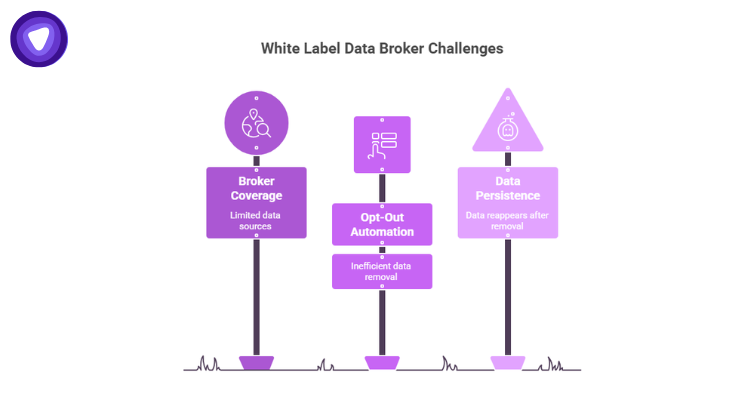
A white label data broker solution involves far more than swapping a logo onto someone else’s dashboard. Branding takes an afternoon to set up. The real work happens out of sight, in which brokers get targeted, how opt-outs get automated, and whether removed listings stay gone. Companies that judge a vendor purely on interface design and price often end up stuck. Fixing a weak removal engine after the fact is nearly impossible. That engine sits with the vendor, not the reseller.
What a Genuine White Label Package Should Include
Check for these elements before signing anything.
- A dashboard and app carrying only your branding, with no trace of the vendor
- Account access through your own domain, including notification emails
- API access for provisioning accounts and pulling status data
- Reporting visibility set at either the reseller level or shared with end users, depending on the plan
Technical Checks to Run Before Signing
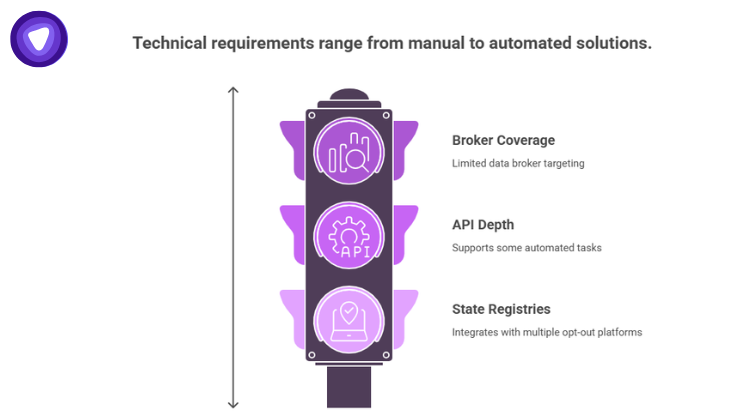
Marketing claims rarely hold up under scrutiny. Four technical areas separate a functioning white label data broker solution from a weak one. The difference rarely shows up on a demo call.
Coverage Numbers and How Often They Get Rechecked
Vendors frequently round up their broker counts. Request the actual list of targeted data brokers and people search sites. A headline number on a pricing page tells you very little. More than 4,000 data brokers operate across the United States, per industry figures. Most vendors reach only a portion of them. Find out how frequently the vendor rechecks brokers after a removal goes through. Listings commonly resurface within a few weeks once a broker buys the data back from another source.
How Deep the API Actually Goes
The strength of a vendor’s API decides how much manual labor lands on your team.
- Accounts should provision through API calls instead of manual file uploads
- Status changes should trigger webhooks automatically
- Existing subscriber lists should import in bulk, not one record at a time
- Vendors should document rate limits and error responses in advance, not leave your team to discover them during an outage
Registry Integration Across States
California runs a Delete Request and Opt-Out Platform under its Delete Act. A single submission through that system reaches every broker registered in the state. Vendors worth considering already connect to this platform, along with comparable registries in Oregon, Vermont, and Texas. That kind of connection reduces repetitive opt-out filing. It also keeps outcomes more consistent when rules differ from one state to the next.
What Independent Testing Reveals About Removal Rates
Sales pages almost never publish real removal statistics. Independent research fills that gap. One 2024 study tracked profile removal across a set of paid services for four months. It then compared those results against opt-out requests filed manually, with no paid tool involved.
| Removal Method | Profiles Removed After 4 Months |
| Manual opt-out requests (no paid tool) | 70% |
| Average paid automated service | 35% |
| Weakest performing paid service tested | Under 27% |
Full methodology and results are available in this study summary.
None of this proves automation is worthless. It shows that automation built on shallow broker relationships can lag behind simple manual effort. Refresh frequency plays just as large a role. A white label data broker solution running on a thin backend will post the same weak numbers, no matter how polished the dashboard looks.
The Cost of Choosing Poorly
Poor removal performance is not just a churn problem for resellers. It carries real stakes for the people whose personal information ends up on those lists. Home addresses and phone numbers sold through broker networks feed directly into scam calls, phishing attempts, and in some cases stalking.
A look at ten significant data breaches found more than 210 million exposed records in the United States alone, per one analysis. That figure covers close to two-thirds of the country’s population. Much of that data gets resold through broker channels within weeks of the original breach. Anyone who buys a white label data broker solution wants their exposure to shrink. They do not want it to reappear under a new broker’s name a few weeks later.
How Vendors Structure Pricing
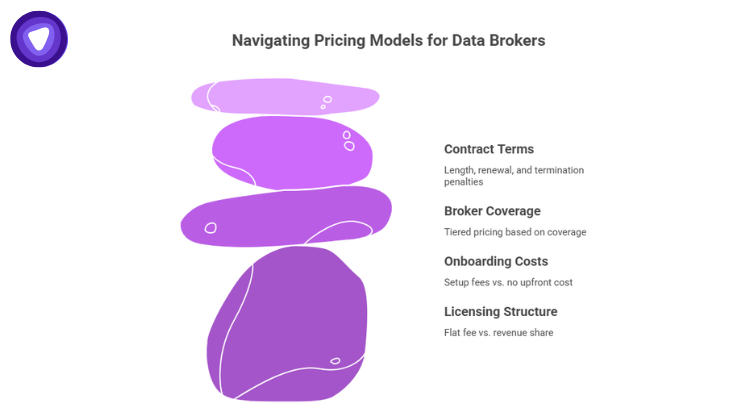
Pricing models differ enough between vendors to shape margins more than the headline rate does.
- Flat licensing per seat compared to a revenue share arrangement
- Upfront setup charges compared to no onboarding cost
- Coverage-based tiers, where broader broker access costs more
- Contract duration, renewal clauses, and any early termination penalties
Vendors who price a white label data broker solution through revenue share absorb more of the performance risk themselves. That structure beats a flat fee model when broker coverage turns out weaker than promised.
Support Quality Reflects on Your Brand, Not Theirs
When something breaks, customers blame the name on the product, not the vendor working behind it.
- Defined response times for issues customers escalate
- A named account manager for the reseller relationship, not a rotating support queue
- Uptime commitments that cover the dashboard and the API equally
- Advance notice whenever a broker updates its opt-out requirements
A white label data broker solution only stays valuable if support keeps pace with changes on the broker side. Brokers update their policies constantly, often without any public notice.
Warning Signs Worth Taking Seriously
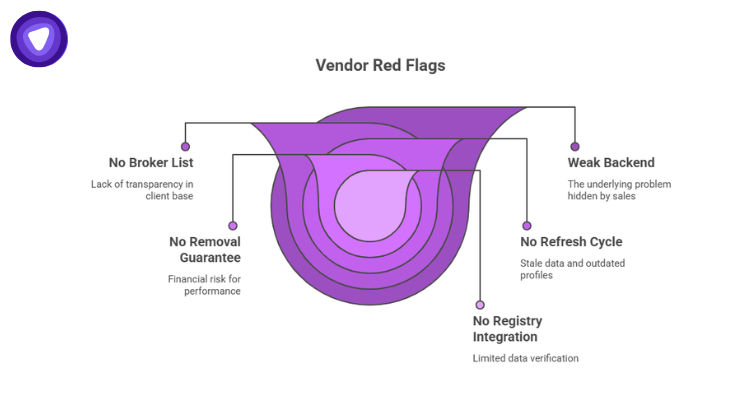
A handful of signals point to a shaky backend hiding under a confident pitch.
- The vendor will not share a specific, current broker list when asked
- No refresh schedule exists for rechecking profiles already removed once
- Pricing depends entirely on seat count, with no performance guarantee attached
- There is no visible connection to DROP or other state opt-out registries
- Support only runs through a generic ticket system with no committed response window
These problems rarely surface during a pitch meeting. They show up months later, once customers start asking your team questions nobody can answer.
Questions Worth Asking on a Vendor Call
Sales calls tend to stay high level unless you push for specifics. A few direct questions separate a vendor that knows its own backend from one reciting a script.
- Can you name ten specific brokers your service targets, right now, without checking a document?
- How many days pass, on average, before a broker rechecks and reflags a removed listing?
- What does bulk account provisioning look like through your API, step by step?
- Which state registries, beyond California, does your platform already connect to?
- What is your guaranteed response time when a customer escalates a removal issue?
A vendor who answers these clearly, without hedging or redirecting to marketing language, is worth taking seriously. That kind of clarity usually points to a backend that holds up once real customers start using it.
Where PureVPN Comes In
PureVPN built its white label data broker solution around the same principles it applies to its VPN network. That means documented broker coverage, API-driven provisioning, and support designed for partner teams, not just individual subscribers. Reseller partners see removal status directly through the dashboard. There is no need to guess what happens behind the scenes.
For a brand weighing options against everything above, bundling matters. Network infrastructure and privacy tooling under one partner cuts down on separate vendor relationships to manage. That reduction in complexity matters nearly as much as the removal numbers themselves. Fewer moving parts leaves fewer opportunities for something to fail.
Final Thoughts
Picking a removal partner really comes down to what happens once the ink dries on the contract. A pitch deck will not tell you that part. Broker coverage, refresh cycles, API depth, and support quality decide the outcome. They separate real results from a dashboard that only looks busy. Vendors that can prove themselves on all four fronts are the ones worth a long-term commitment.Why SaaS Companies Are Adding Digital Privacy