

- Recurring by nature: Data broker exposure is not a one-time problem. Brokers constantly refresh listings from public records and breaches, which is why removal works as a recurring subscription instead of a single fix.
- Real financial stakes: Consumers lost more than $12.5 billion to fraud in 2024, and broker-sold data like addresses and phone numbers feeds directly into scams.
- Natural fit for existing subscriptions: Digital businesses already running subscriptions, such as VPN, antivirus, and identity protection providers, are best positioned to add this service since they already have the billing infrastructure and customer base.
- Flexible integration: A data broker removal platform can be added as an add-on tier, a bundled premium feature, or a standalone product, and each model changes revenue impact differently.
- Faster path with white label: White label infrastructure lets a business launch data broker removal in weeks under its own brand, without building broker relationships or compliance workflows from scratch.
Every subscription business sells one of two things. It either adds value or removes risk. Cloud storage adds value. Antivirus software removes risk. A data broker removal platform falls into the second group. It is turning into one of the steadiest subscription categories in privacy tech.
Data brokers gather personal details and resell them without asking first. Names, phone numbers, home addresses, and family ties get bundled and sold again and again. Companies that already run subscription billing are well placed to add this service. VPN providers, antivirus vendors, and identity protection apps all qualify. Their customer base is already in place. Their billing system is already built. The missing piece for most of them is a clear picture of how this platform turns into steady income.
How a Data Broker Removal Platform Actually Works
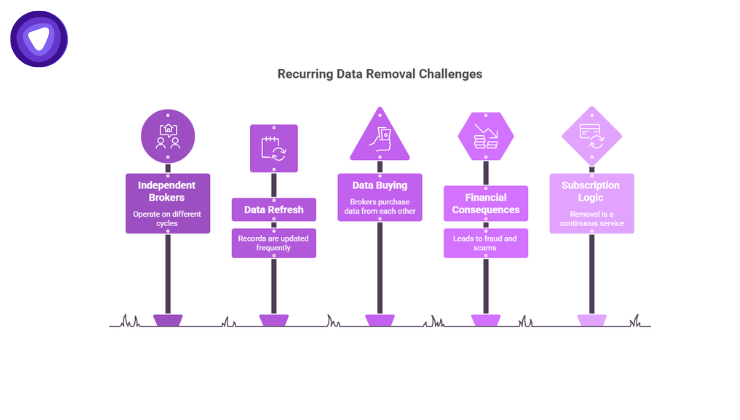
A data broker removal platform searches broker sites and public record databases for someone’s personal details. It locates names, home addresses, phone numbers, and property records that were listed and resold without permission. The platform files opt-out or deletion requests on that person’s behalf. It then tracks each broker’s response and repeats the cycle on a fixed schedule.
This is far from a single fix. Brokers rebuild their listings from public records, breach data, and purchased datasets. Information removed today can show up again within a few months. That cycle of reappearance is exactly why removal fits a subscription model better than a one-time service.
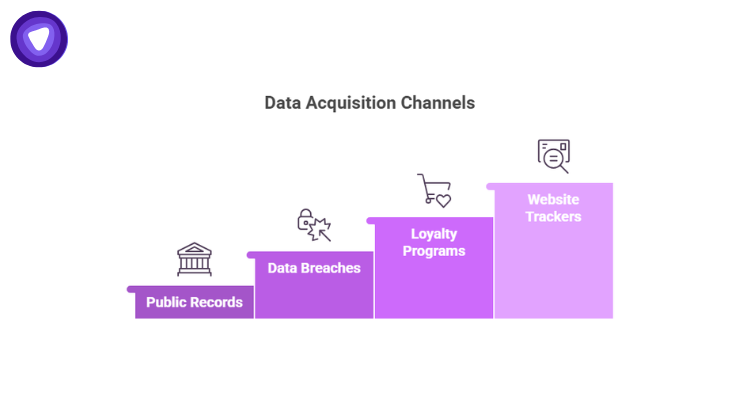
Where Broker Databases Pull Their Data From
- Public records such as property deeds, court filings, and voter rolls
- Data breaches that leak names, email addresses, and account information
- Loyalty programs and app permissions that pass along user data
- Website trackers and mobile SDKs that assemble behavioral profiles
The global data broker market reached close to $294 billion in 2025. That figure comes from recent industry sizing research. Given that scale, removal cannot stay an occasional, manual task. Fresh personal data lands in broker systems daily. That constant inflow keeps demand for removal from ever really tapering off.
Why One Round of Removal Never Solves the Problem
Most people think that clearing their data once is enough. It usually is not. Brokers run independently of each other. They update records on separate timelines and frequently exchange data among themselves. Because of that, a data broker removal platform is built around continuous scanning and repeat filing. That design tackles a problem that keeps rebuilding itself.
That constant exposure has a real cost. Consumers reported over $12.5 billion lost to fraud in 2024. That total was 25 percent higher than the year before, based on federal consumer protection data. Data sold by brokers, addresses and phone numbers among it, fuels impersonation scams and account takeover attempts directly. Once that connection becomes clear, paying for ongoing removal stops looking like a luxury.
Why the Removal Loop Doubles as a Business Model
The mechanics behind removal fit a subscription structure almost by accident:
- A first scan locates where someone’s information is exposed
- Deletion requests go out to dozens, sometimes hundreds, of brokers
- A recurring check watches for any listings that resurface
- Fresh requests go out automatically the moment data reappears
That cycle is the whole business model in miniature. Each renewal repeats the exact same value. It follows the same shape as antivirus renewals, VPN plans, and cloud storage subscriptions.
The Opportunity Sitting Inside Existing Subscription Products
A data broker removal platform hands an existing subscription product a second reason to keep the customer paying. It also opens up a fresh customer segment altogether. Awareness around privacy has climbed as major data breaches turned into routine headlines.
Identity fraud on its own caused close to $27.3 billion in losses during 2025. That toll touched 18 million victims, according to annual identity fraud research. In the United States, someone becomes an identity theft victim roughly every five seconds.
Companies do not need to build broker relationships on their own. Running removal workflows internally is not a requirement either. This kind of platform can plug into an existing product through more than one approach. Typical options include an add-on tier, a bundled feature, or a fully separate subscription. Each approach shifts the revenue mix differently.
| Integration Model | Customer Perception | Revenue Impact |
| Add-on subscription | Optional upgrade for privacy-focused users | Adds incremental ARPU without disrupting core pricing |
| Bundled into premium tier | Justifies a higher-priced plan | Cuts churn on the top-tier plan |
| Standalone product | Fresh entry point for privacy-only buyers | Opens a separate acquisition funnel |
| White label platform | Feels native to the existing brand | Fastest route to market without a build cycle |
Enterprises already grasp how much commercial weight personal data carries. That same appetite for data on the business side helps drive consumer demand for removal on the individual side. Both sides of that trade keep growing side by side.
Skipping the Multi-Quarter Build Cycle
Building broker relationships, legal opt-out workflows, and monitoring systems from the ground up eats time most product teams cannot spare. It also calls for constant legal review, since broker terms and regional privacy laws change often. A data broker removal platform delivered as a ready-made module bypasses that entire build cycle.
White label infrastructure is what changes the math here. Rather than a multi-quarter engineering push, a company can roll out this capability in a matter of weeks. It operates under the company’s own brand and bills through the system already in place. The technical debt and compliance groundwork stay with the platform provider, not the business reselling it.
What Encourages Customer Loyalty
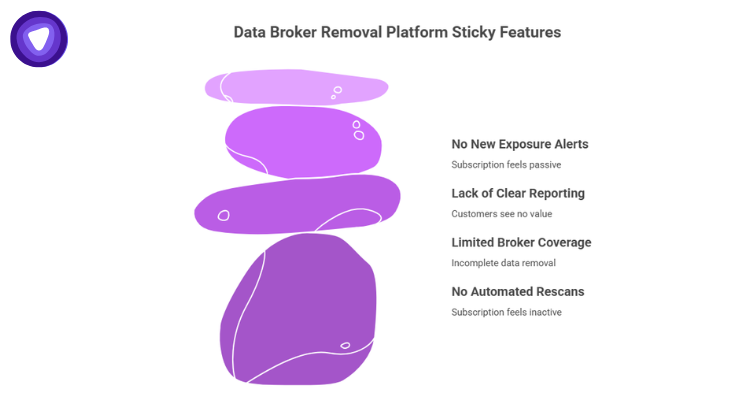
A data broker removal platform earns its monthly fee by working quietly in the background. Customers rarely check in daily. Because of that, the product has to prove its value without needing constant attention. Strong versions of this service usually include:
- Automatic rescans on a fixed cadence, not just at signup
- Broad coverage across a regularly refreshed list of broker sites
- Straightforward reporting on what was found and what came down
- Alerts whenever new exposure turns up, keeping the subscription visibly active
Without visible reporting, a removal subscription can look like a background task nobody notices. That invites higher churn. Dashboards and periodic email summaries solve this directly. They give the customer proof that something happened that month.
Where Compliance Meets Reputation
Handling personal data at scale means compliance cannot be an afterthought here. This kind of platform touches names, addresses, and occasionally financial identifiers. All of that sits under regional privacy law. Businesses adding this feature need answers to three questions:
- How are opt-out requests logged
- How long does data stay on file
- How do broker disputes get settled
Reputation carries more weight here than in most subscription categories. A removal service is only as trustworthy as its actual removal rate. Promising broad coverage while delivering weak results erodes trust quickly. Privacy-conscious buyers usually research a provider before signing up.
A Practical Route for Brands Already in Subscriptions
PureVPN’s data broker removal solution goes beyond core VPN infrastructure into privacy tools, data broker removal included. It is built for resellers who want to launch under their own brand. They never need to manage broker relationships or compliance work themselves.
For a business already selling privacy or security subscriptions, this turns a complicated build into a simple product addition. The branding stays entirely with the reseller. Broker coverage, removal workflows, and monitoring cycles run behind the scenes.
Final Thoughts
Recurring revenue in digital products tends to come from solving something that never fully goes away. Data broker exposure fits that pattern closely. Brokers keep gathering and reselling personal information no matter how often it gets removed. Companies that add a data broker removal platform now gain an edge. They move ahead of a demand curve that keeps climbing year after year.